

CIRI
Citizens Initiative for Regional Integration
Citizens Initiative for Regional Integration

Years of Regional Cooperation
Regional integration has too often begun with treaties and institutions that ordinary citizens neither design nor feel. Our Integration Model reverses that sequence with deliberate realism: it starts where lasting cooperation actually forms—among people.
We prioritise systematic people-to-people connections through twinning of communities, professional exchanges, and cultural programmes that reduce distance and build familiarity. These relationships mature into meaningful collaboration on practical shared problems—trade access for small producers, joint resource management, skills development, and public health coordination. Regular, structured engagements then convert occasional contact into predictable patterns of interaction. From this base, durable cross-border partnerships emerge as citizen-led cooperatives, networks, and associations capable of sustained joint action.
Only when these layers demonstrate density, trust, and tangible results do we support the creation of formal structures. Those structures are designed to enable and protect the citizen foundation rather than replace it. The approach is slower than signature-driven diplomacy, yet more resilient. It produces integration rooted in mutual interest and daily practice, less vulnerable to political shifts, and more legitimate because it is owned by the people who live it. In a landscape of ambitious frameworks that frequently outpace social reality, this model offers a grounded, compelling alternative: integration built from the inside out, measurable in relationships and results before it is declared in documents.
Explore Our WorkIf Citizens Initiative for Regional Integration (CIRI) brings regional integration closer to ordinary East Africans by providing accurate information, creating friendly spaces for citizens to meet, discuss, share ideas, and express their views, and connecting citizens with decision-makers and regional institutions, then East Africans will better understand the EAC, feel ownership of the integration process, and actively participate in shaping its direction.
As citizens become informed, connected, and involved, the East African Community will become more responsive, inclusive, and accountable. Increased citizen ownership and participation will strengthen public trust, accelerate regional cooperation, and contribute to the realization of a truly people-centred, prosperous, and united East Africa.

1. Integration should first be informal, simplistic, cultural and institutional.
2. Should be initiated, owned and driven by the people.
3. Should be gradual, inclusive and inter-generational before any formal structures
4. Once people emotionally identify with the integration and its struct, they stop feeling managed by it. They begin defending it voluntarily. Sacrifice becomes honarable, Conformity becomes loyalty and Criticism becomes betrayal.
The Citizens Initiative for Regional Integration (CIRI) was born not in conference halls, but at East Africa's borders, marketplaces, and universities. In 2016, frustrated by work permit restrictions, border delays, student visa challenges, insecurity along the Juba Highway, and the growing disconnect between the East African Community (EAC) and its citizens, truck drivers, traders, students, and young professionals began meeting informally at Elegu Border and university campuses.
Led by Amanya Abdu, Galla Karim, Manga Alex of Uganda, Mangaru Adam, Garang Elijah, of South Sudan, Caroline Ondiek Bosibori of Burundi, Grace Charles of Tanzania, Benimana Jean Claude of Rwanda, and Faisal Ali of Kenya, the movement challenged the notion that regional integration belonged only to institutions and political elites. In 2018, the crusaders adopted the Street Orientation Declaration , affirming that ordinary citizens should be the architects not merely the beneficiaries of East African integration.
In 2019, the movement convened its first open General Assembly at Malaba Border and, in 2023, adopted the Citizens Charter, formally establishing the organization CIRI. In 2026, CIRI resolved to register in Uganda and progressively incorporate across all EAC Partner States, reaffirming its vision of a truly people-driven East African Community.
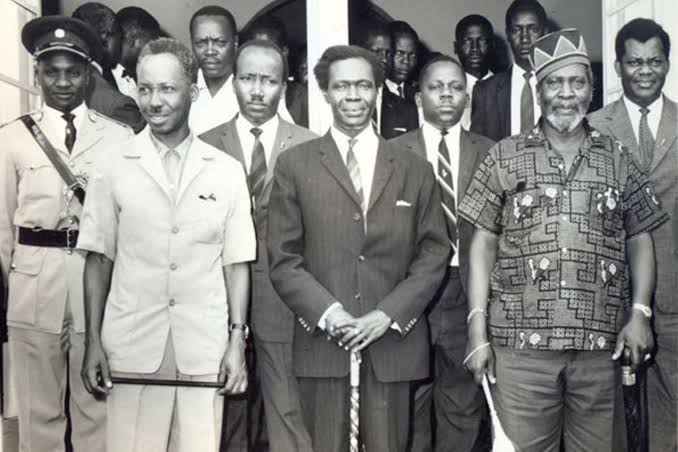







We believe that genuine regional integration must emerge from the aspirations, participation, and ownership of the people themselves. Integration should not be imposed from above; it should evolve naturally through shared experiences, mutual interests, cultural connections, and collective ambitions. Institutions must serve as enablers and facilitators of this process, empowering citizens rather than replacing their agency. CIRI advocates for an integration model rooted in indigenous knowledge, local ownership, grassroots mobilization, and African solutions to African challenges. We believe that sustainable integration can only flourish when it is nurtured by the will, confidence, and active participation of the people.
We place citizens at the heart of regional integration and decision-making.
We uphold justice, accountability, transparency, and constitutional governance.
We champion inclusive growth and equitable development that benefits all citizens.
We believe in African unity, solidarity, and collective advancement.
We foster cooperation, mutual support, and shared responsibility among East African peoples.
We are sovereign and independent from external direction or influence